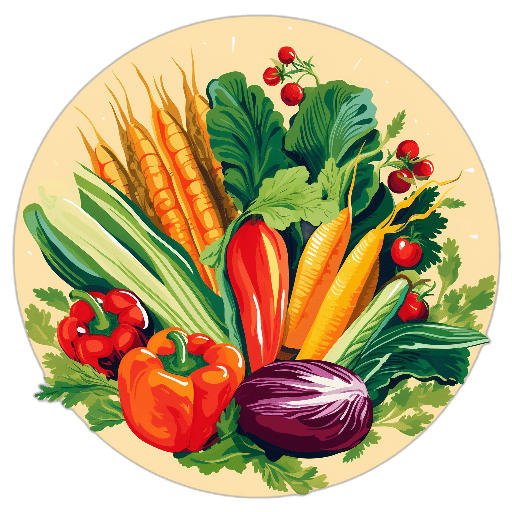

Food is not just fuel for our bodies; it is an experience that engages all of our senses. From the aroma of freshly baked bread to the vibrant colors of a beautifully plated dish, every bite we take can evoke a range of emotions and memories. In today’s fast-paced world, it’s easy to rush through meals without truly savoring the flavors and textures that make eating such a pleasurable activity. But taking the time to enjoy each bite can have numerous benefits for both our physical and mental well-being.
Enhanced Enjoyment
Savoring every bite allows us to fully appreciate the effort and creativity that went into preparing a meal. Whether it’s a simple home-cooked dish or a gourmet creation from a top chef, taking the time to savor each bite can enhance our enjoyment of the food. By slowing down and paying attention to the flavors, we can pick up on subtle nuances that we might otherwise miss. This heightened sensory experience can turn a routine meal into a culinary adventure, making each bite a moment to be savored.
Mindful Eating
In a world filled with distractions, eating mindfully can help us reconnect with our bodies and our food. By savoring every bite, we can tune into our hunger cues and better regulate our food intake. Mindful eating has been shown to promote healthier eating habits, reduce overeating, and improve digestion. Instead of mindlessly consuming food while scrolling through our phones or watching TV, savoring each bite encourages us to be present in the moment and fully engaged with the act of eating.
Appreciation for Ingredients
When we savor every bite, we develop a deeper appreciation for the ingredients that make up our meals. Whether it’s the sweetness of a ripe strawberry or the earthy richness of a truffle, taking the time to savor each bite allows us to truly taste and savor the flavors of the individual components. This can foster a greater respect for the food we eat and the people who grow, harvest, and prepare it. By acknowledging the effort and care that goes into each ingredient, we can cultivate a greater sense of gratitude for the abundance of flavors and textures available to us.
Culinary Exploration
Savoring every bite can also be a gateway to culinary exploration and creativity. By paying attention to how different flavors and textures interact with each other, we can develop a more sophisticated palate and a greater appreciation for diverse cuisines. Trying new foods and experimenting with different flavor combinations can be a fun and rewarding experience. Savoring each bite allows us to fully immerse ourselves in the culinary world, opening up a world of possibilities for delicious and exciting meals.
Connection to Culture
Food is deeply intertwined with culture and tradition, and savoring every bite can help us connect with our heritage and the heritage of others. Whether it’s a family recipe passed down through generations or a regional dish that tells a story of a particular place and time, taking the time to savor each bite can deepen our understanding of the cultural significance of food. By exploring different cuisines and culinary traditions, we can broaden our horizons and foster a greater sense of empathy and appreciation for the diverse ways in which food brings people together.
An Invitation to Slow Down
In a world that often values speed and efficiency, savoring every bite is a gentle reminder to slow down and enjoy the simple pleasures of life. By taking the time to savor each bite, we can cultivate a greater sense of mindfulness, gratitude, and connection with the world around us. So next time you sit down to a meal, put away your distractions, take a deep breath, and savor every bite. Your taste buds—and your soul—will thank you for it.