Portion control is a fundamental aspect of maintaining a healthy diet and managing weight. When we consume larger portions than our bodies require, we often end up overeating and taking in more calories than necessary. Over time, this can lead to weight gain and other health issues. Learning how to control your portions can help you better manage your calorie intake and ensure you are providing your body with the right amount of nutrients it needs to function optimally.
Understanding Portion Sizes
One of the first steps in portion control is understanding what a proper portion size looks like. In today’s world of super-sized meals and endless buffets, it can be easy to lose sight of what a healthy portion actually is. Start by familiarizing yourself with recommended serving sizes for different food groups. For example, a serving of meat is typically around 3 ounces, which is about the size of a deck of cards. Vegetables should make up a significant portion of your plate, with a recommended serving size of around 1 cup of raw vegetables or 1/2 cup of cooked vegetables.
Listen to Your Body
Listening to your body’s hunger cues is essential when it comes to portion control. Pay attention to feelings of hunger and fullness, and try to eat slowly to give your body time to signal when it’s had enough. Many of us are guilty of eating quickly or mindlessly, which can lead to overeating. By tuning in to your body’s signals, you can better gauge when you are truly hungry and when you have had enough to eat.
Use Smaller Plates and Utensils
One simple trick to help with portion control is to use smaller plates and utensils. Research has shown that using smaller plates can lead to reduced portion sizes and ultimately less food consumption. When we use larger plates, we tend to fill them up, regardless of whether we actually need that much food. By downsizing your plates and utensils, you can trick your brain into thinking you are eating more than you actually are.
Plan Your Meals in Advance
Planning your meals in advance can also help with portion control. When you have a plan in place, you are less likely to make impulsive food choices or overeat at meal times. Take the time to plan out your meals and snacks for the week, and consider pre-portioning snacks and meals to avoid mindless eating. Having a plan in place can help you stay on track and make healthier choices when it comes to portion sizes.
Practice Mindful Eating
Mindful eating is a practice that involves being fully present and engaged with your food while you are eating. This means taking the time to savor each bite, paying attention to the flavors and textures of your food, and being mindful of your body’s hunger and fullness cues. By practicing mindful eating, you can better control your portions and avoid overeating. Additionally, being present while you eat can enhance your overall dining experience and help you develop a healthier relationship with food.
Reevaluate Your Relationship with Food
Our relationship with food plays a significant role in our eating habits and portion control. If you find yourself turning to food for emotional reasons or using it as a coping mechanism, it may be helpful to reevaluate your relationship with food. Consider seeking support from a therapist or counselor to address any underlying issues that may be contributing to unhealthy eating habits. By developing a healthier relationship with food, you can improve your portion control and overall well-being.
Incorporate More Whole Foods
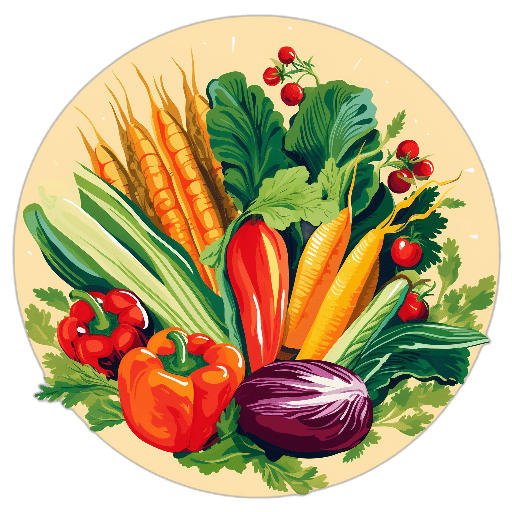
Whole foods, such as fruits, vegetables, lean proteins, and whole grains, are nutrient-dense options that can help you feel full and satisfied with smaller portions. When you focus on incorporating more whole foods into your diet, you are providing your body with essential nutrients and fiber that can aid in portion control. Aim to fill your plate with a variety of colorful fruits and vegetables, lean proteins like chicken or fish, and whole grains such as quinoa or brown rice. By prioritizing whole foods, you can naturally control your portions and support your overall health.
Find Balance in Your Diet
Achieving balance in your diet is key to successful portion control. It’s important to enjoy a variety of foods in moderation and not deprive yourself of the foods you love. Allowing yourself to indulge occasionally can help prevent feelings of restriction and reduce the likelihood of overeating later on. By finding a balance that works for you, you can maintain a healthy relationship with food and control your portions without feeling deprived.
Conclusion: Embrace the Power of Portion Control
Portion control is a valuable tool in maintaining a healthy diet and managing weight. By understanding proper portion sizes, listening to your body’s cues, and practicing mindful eating, you can take control of your portions and support your overall well-being. Incorporating smaller plates, planning your meals in advance, and focusing on whole foods can also help you achieve portion control success. Remember, finding balance in your diet and embracing the power of portion control is a journey that takes time and practice. By making small changes and being mindful of your eating habits, you can develop a healthier relationship with food and enjoy the benefits of controlled portions for years to come.