
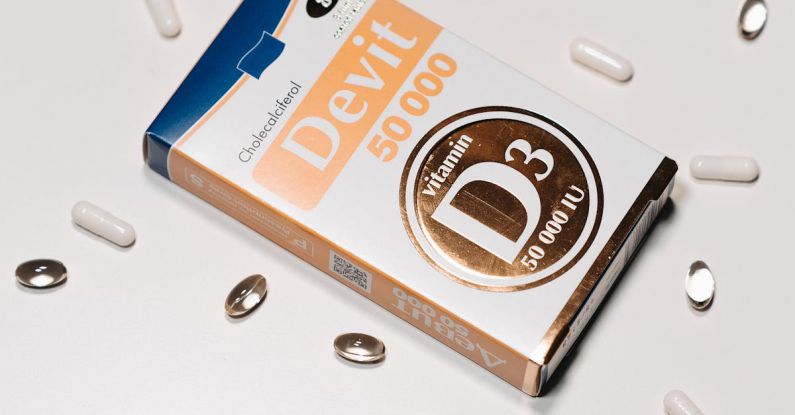
Vitamin D has gained significant attention in recent years for its role in overall health and well-being. Known as the “sunshine vitamin,” it is produced by the body in response to sunlight exposure and is also found in certain foods and supplements. With its numerous purported benefits, many people wonder if they should be taking a Vitamin D supplement. Let’s delve into the topic to understand whether supplementing with Vitamin D is necessary for you.
The Importance of Vitamin D
Vitamin D plays a crucial role in several essential bodily functions. One of its primary functions is to help regulate the absorption of calcium and phosphorus, crucial for maintaining healthy bones and teeth. Additionally, it supports immune function, muscle function, and cell growth. Research has also suggested that Vitamin D may help reduce the risk of chronic diseases such as heart disease, diabetes, and certain types of cancer.
Subheadings:
The Role of Sunlight
Factors Affecting Vitamin D Levels
Who May Benefit from Vitamin D Supplements
How Much Vitamin D Should You Take?
Considerations and Risks
The Role of Sunlight
The primary source of Vitamin D is sunlight. When exposed to the sun’s ultraviolet B (UVB) rays, the skin produces Vitamin D. However, factors such as geographic location, season, time of day, skin color, and sunscreen use can impact the body’s ability to produce Vitamin D from sunlight. As a result, many individuals may not get an adequate amount of Vitamin D from sun exposure alone.
Factors Affecting Vitamin D Levels
Several factors can influence an individual’s Vitamin D levels. People who spend most of their time indoors, live in regions with limited sunlight, have darker skin, are older, or have certain medical conditions may be at a higher risk of Vitamin D deficiency. Additionally, individuals who follow strict vegan diets or have malabsorption issues may struggle to obtain enough Vitamin D from dietary sources.
Who May Benefit from Vitamin D Supplements
Given the challenges associated with obtaining sufficient Vitamin D from sunlight and diet alone, certain groups of people may benefit from Vitamin D supplementation. This includes individuals who are older, live in areas with limited sunlight, have darker skin, or have conditions that affect Vitamin D absorption. Pregnant and breastfeeding women, as well as individuals with certain chronic diseases, may also require Vitamin D supplementation.
How Much Vitamin D Should You Take?
The recommended daily intake of Vitamin D can vary based on age, sex, and other factors. The Institute of Medicine suggests a daily intake of 600-800 IU (International Units) for most adults, with higher amounts recommended for older adults. However, individual needs may vary, and it is crucial to consult with a healthcare provider to determine the appropriate dosage for your specific circumstances.
Considerations and Risks
While Vitamin D is essential for overall health, it is possible to consume too much of it, leading to potential adverse effects. Excessive Vitamin D intake can cause toxicity, leading to symptoms such as nausea, vomiting, weakness, and kidney damage. It is important to follow recommended guidelines and avoid exceeding the upper intake levels to prevent Vitamin D toxicity.
In conclusion, Vitamin D plays a vital role in supporting various bodily functions, and many individuals may benefit from supplementation, especially those at risk of deficiency. However, it is essential to consider individual factors such as sunlight exposure, dietary intake, and health conditions when determining the need for supplementation. Consulting with a healthcare provider can help you make an informed decision and ensure you are meeting your Vitamin D requirements effectively.