
Hydration is key to maintaining optimal performance, especially during physical activities. As individuals engage in sports or intense workouts, the question often arises: should one reach for water or a sports drink to refuel and rehydrate? Both options have their benefits, but understanding the differences between the two can help individuals make an informed choice that best suits their needs and goals.
Hydrating with Water
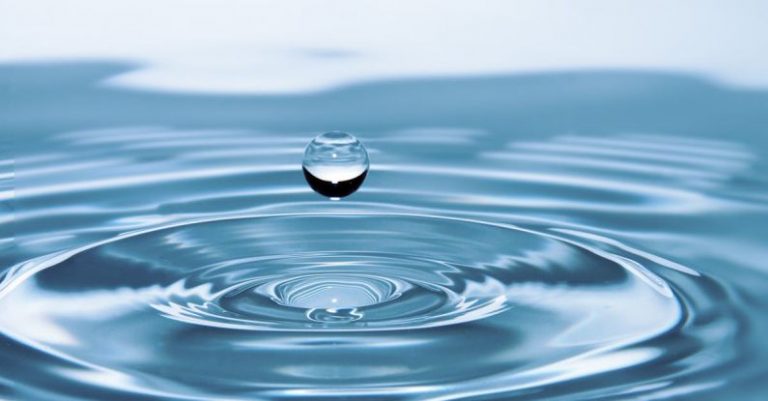
Water is essential for life and plays a crucial role in maintaining bodily functions. When it comes to hydration during exercise, water is a simple and natural choice. It is readily available, affordable, and has zero calories, making it an attractive option for those looking to hydrate without consuming extra sugars or additives.
One of the primary advantages of water is its ability to effectively prevent dehydration. During physical activity, the body loses water through sweat, which must be replenished to avoid dehydration and maintain performance levels. Water is a reliable way to replace lost fluids and keep the body hydrated throughout a workout.
However, it is essential to note that while water is excellent for hydration, it lacks the additional benefits that sports drinks can offer during intense or prolonged exercise. Water does not contain electrolytes, which are minerals such as sodium and potassium that play a vital role in regulating muscle function and fluid balance in the body.
The Role of Sports Drinks
Sports drinks are specifically formulated beverages designed to hydrate and replenish electrolytes during strenuous physical activity. These drinks often contain a mix of carbohydrates, electrolytes, and fluids, making them a popular choice among athletes and fitness enthusiasts looking to boost their performance and endurance.
One of the key components of sports drinks is electrolytes. Electrolytes help the body retain fluids, regulate muscle contractions, and maintain proper hydration levels. During intense exercise, especially in hot and humid conditions, the body loses electrolytes through sweat at a faster rate than water alone can replace. Sports drinks provide an efficient way to replenish these essential minerals and prevent dehydration.
Additionally, sports drinks typically contain carbohydrates, which serve as a quick source of energy during prolonged physical activity. The combination of carbohydrates and electrolytes in sports drinks can help sustain energy levels and delay fatigue, allowing individuals to perform at their best for longer periods.
Making the Right Choice
When deciding between water and sports drinks for hydration during exercise, several factors should be considered. The intensity and duration of the activity, individual sweat rates, and personal preferences all play a role in determining the most suitable option.
For shorter, less intense workouts or activities lasting less than an hour, water is generally sufficient to meet hydration needs. It is essential to drink water before, during, and after exercise to maintain proper fluid balance and prevent dehydration.
On the other hand, for prolonged or intense exercise lasting longer than an hour, especially in high-heat environments, sports drinks can provide added benefits by supplying electrolytes and carbohydrates to support performance and recovery. Athletes engaging in endurance activities such as long-distance running or cycling may benefit from the additional nutrients found in sports drinks to enhance their endurance and maintain energy levels.
In conclusion, the choice between water and sports drinks for hydration during exercise ultimately depends on individual needs and preferences. While water is a reliable and accessible option for basic hydration, sports drinks can offer additional benefits for individuals engaging in intense or prolonged physical activities. By understanding the differences between the two and considering the specific demands of their workouts, individuals can make an informed decision to support their performance and overall well-being.