Fiber is an essential nutrient that plays a crucial role in maintaining overall health. It aids digestion, helps control blood sugar levels, and promotes a feeling of fullness, making it an important component of a balanced diet. While there are many sources of fiber, fruits are often a popular choice due to their natural sweetness and convenience. Among fruits, some stand out for their high fiber content, making them excellent choices for those looking to increase their fiber intake. Let’s explore which fruit has the most fiber and why it should be a part of your diet.
**Avocado: The Fiber Powerhouse**
Avocado is a unique fruit known for its creamy texture and healthy fats. But what many may not realize is that avocados are also an excellent source of fiber. A medium-sized avocado contains around 13.5 grams of fiber, making it one of the highest-fiber fruits available. This fiber content contributes to improved digestion and helps regulate cholesterol levels in the body. Additionally, avocados are rich in vitamins and minerals, making them a nutritious addition to any diet.
**Raspberries: Tiny but Mighty**
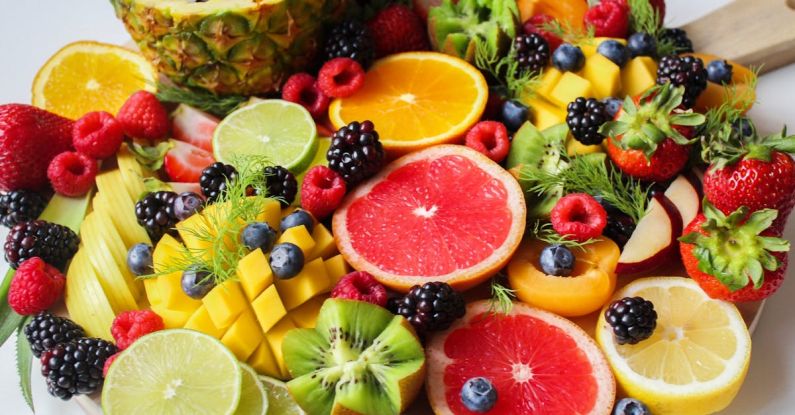
Raspberries are another fruit that packs a fiber punch. These small, vibrant berries are not only delicious but also loaded with nutrients, including fiber. One cup of raspberries contains an impressive 8 grams of fiber, making them an excellent choice for those looking to increase their fiber intake. Raspberries are also high in antioxidants, which help protect the body from oxidative stress and inflammation. Adding raspberries to your diet can help support overall health and well-being.
**Pears: Nature’s Fiber-Rich Treat**
Pears are often praised for their sweet and juicy flavor, but they also deserve recognition for their high fiber content. A medium-sized pear contains approximately 5.5 grams of fiber, making it a satisfying and nutritious snack option. The fiber in pears helps promote regular bowel movements and aids in digestive health. Pears are also rich in vitamins and minerals, making them a well-rounded fruit choice for those looking to boost their fiber intake.
**Apples: Crunchy and Fiber-Rich**
“An apple a day keeps the doctor away” is a popular saying for a reason. Apples are not only delicious but also packed with fiber. A medium-sized apple contains around 4.4 grams of fiber, primarily found in the skin of the fruit. This fiber content helps support healthy digestion and can aid in weight management by promoting a feeling of fullness. Additionally, apples are rich in antioxidants and vitamin C, making them a nutritious choice for a snack or dessert.
**Blackberries: Fiber-Rich and Flavorful**
Blackberries are another fiber-rich fruit that deserves a spot in your diet. These dark, juicy berries are not only delicious but also a good source of fiber. One cup of blackberries contains approximately 7.6 grams of fiber, making them a tasty and nutritious addition to smoothies, yogurt, or oatmeal. The fiber in blackberries helps support digestive health and can contribute to improved overall well-being.
**Conclusion: Embrace Fiber-Rich Fruits**
In conclusion, incorporating fiber-rich fruits into your diet can have numerous health benefits. Avocado, raspberries, pears, apples, and blackberries are just a few examples of fruits that are high in fiber and can help support digestive health, regulate blood sugar levels, and promote a feeling of fullness. By including these fruits in your daily meals and snacks, you can increase your fiber intake and support your overall well-being. So, next time you’re looking for a nutritious and satisfying snack, reach for a fiber-rich fruit and enjoy both its delicious taste and health benefits.